
ECT (Electroconvulsive Therapy)
Modern, safe neuromodulation under anesthesia for severe refractory illness

Understanding Beyond Diagnosis
Media portrayals of ECT are outdated and inaccurate. Today's ECT is a sophisticated, dignified hospital procedure that rapidly restores neurochemical equilibrium in patients with severe, medication-resistant mental illness.
Treatment Overview
Modern Electroconvulsive Therapy (ECT) is one of the safest, most effective, and life-saving treatments in modern medicine. Administered under brief general anesthesia and muscle relaxation, modern ECT is completely painless and controlled, delivering gentle therapeutic neuromodulation.
Key Highlights
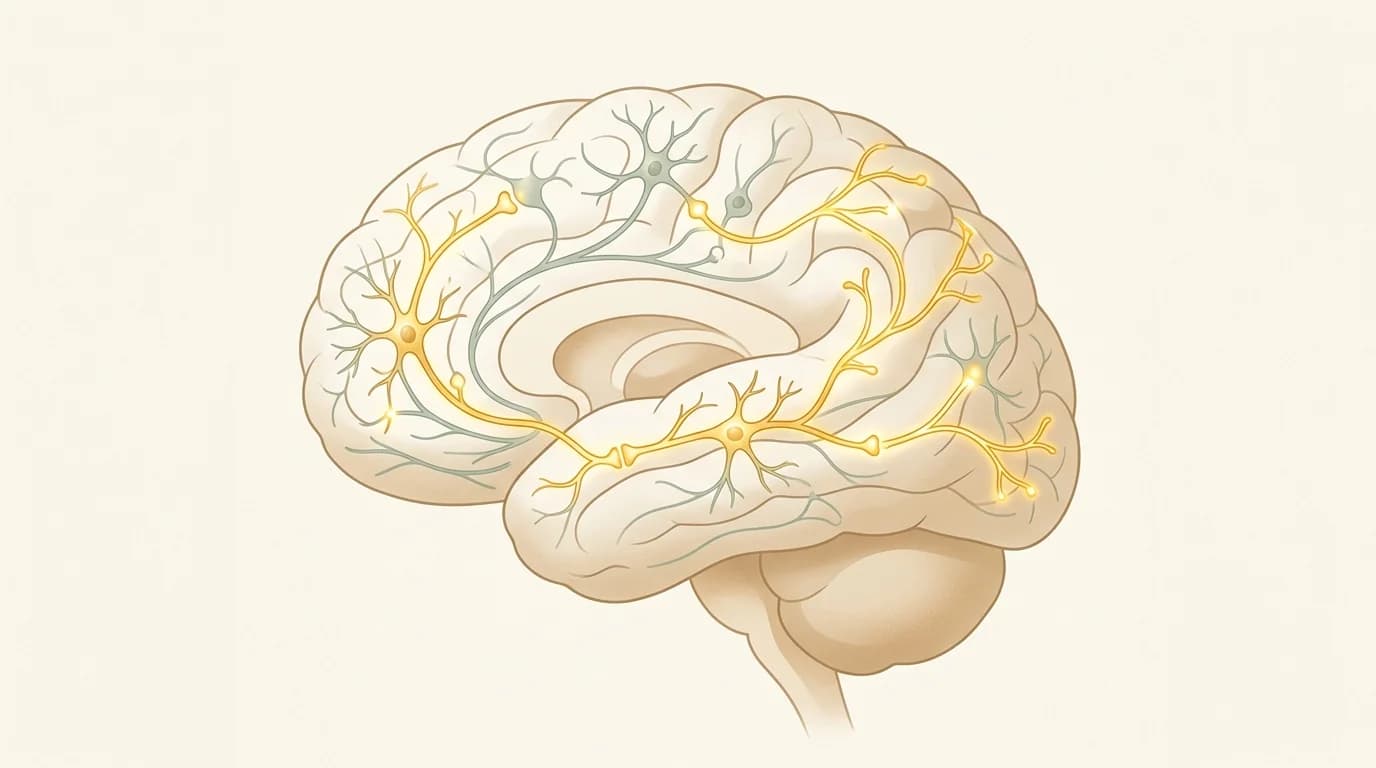
Global Neurochemical Re-synchronization via Neuromodulation
During severe medication-resistant depression or catatonia, neural firing patterns become profoundly dysregulated. Modern brief-pulse ECT delivers a carefully calibrated stimulus that elicits a generalized, therapeutic cerebral discharge, re-sensitizing serotonin, dopamine, and GABA receptor complexes and stimulating robust neurogenesis.
Overcomes receptor down-regulation where oral antidepressants have failed to stimulate response.
Normalizes hyperactive hypothalamic-pituitary-adrenal (HPA) stress axis dysfunction.
Performed in an operating theatre with continuous EEG brainwave and ECG cardiovascular monitoring.
When is ECT medically indicated?
You do not need to check every symptom to seek an evaluation. If any of these challenges are interfering with your life, we are here to assist.
Severe, Medication-Refractory Depression
Depression with severe psychomotor retardation, inability to eat or drink, or refusal of oral care.
Acute, Life-Threatening Suicidal Crisis
When immediate, rapid intervention is essential to preserve life while long-term care is stabilized.
Depression with Psychotic Features & Catatonia
Severe psychotic delusions, mutism, posturing, or catatonic stupor unresponsive to antipsychotic medication.
Severe Refractory Bipolar Mania
Exhausting, unrelenting mania where oral mood stabilizers fail to achieve containment.
Medical Frailty Where Medications Are Unsafe
Patients with severe physical frailty who cannot tolerate the cardiovascular or liver burden of complex drug regimens.
What to Expect Step-by-Step
A structured, transparent pathway designed to keep you informed, supported, and in control.
Pre-Anesthetic Clearance & Workup
Complete blood count, electrolytes, ECG, and evaluation by a consultant anesthesiologist to ensure 100% safety.
Brief General Anesthesia Induction
Administration of a short-acting intravenous anesthetic and muscle relaxant. You are peacefully asleep within seconds.
Controlled Neuromodulation Delivery
A precisely calibrated, brief electrical stimulus produces a controlled therapeutic seizure monitored on EEG.
Post-Anesthesia Care Unit (PACU) Recovery
Waking up naturally in recovery under close nurse observation. Ready for light breakfast within 45–60 minutes.
Questions About Electroconvulsive Therapy
Does ECT cause permanent memory loss?
Modern brief-pulse and ultra-brief pulse ECT significantly minimizes cognitive effects. Some patients experience temporary forgetfulness of events around the time of treatment, but long-term memory and cognitive functioning typically improve as the severe depression lifts.
How many ECT sessions are needed?
An acute course typically consists of 6 to 12 sessions, usually administered 2 to 3 times per week, tailored to individual clinical response.
Begin Your Care Journey Today
Consult with Dr. Bhoomi Raval in a confidential, supportive setting in Rajkot or via secure online video consultation.